Directional Boring
Directional Boring Services in LA & Orange County, California
Fanti Sewer & Drains uses horizontal directional boring (HDB) to install new water, sewer, and utility lines beneath your property without trenching the surface along the pipe’s path. A guided drill bores a path underground from an entry point to an exit point, and the new pipe is pulled back through that bore, leaving driveways, landscaping, roads, and hardscape undisturbed.
This method is often the right call for new utility installations, service line extensions, or routing a new line beneath obstacles like driveways, mature landscaping, roadways, or existing structures that can’t be trenched through.
Every bore is planned around utility locates and site conditions. Some ground conditions or extremely tight sites may call for a different installation method.
What Is Directional Boring?
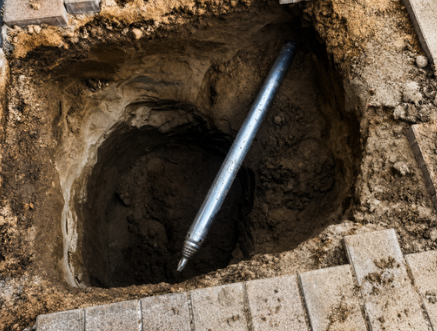
Directional boring, also called horizontal directional drilling (HDD), is a trenchless method for installing new underground pipe along a guided, steerable path — without digging a trench along the route. A drill rig launches a pilot bore from an entry pit at a shallow angle, and the operator steers the drill head underground toward a planned exit point using real-time tracking equipment.
Once the pilot bore reaches the exit pit, the drill head is swapped for a reamer that widens the bore to the size needed for the new pipe. The new pipe — typically fused HDPE — is then pulled back through the widened path, following the exact route the pilot bore established.
Because the path is steerable, directional boring can route around obstacles, curve beneath structures, and maintain precise depth and grade along the entire run.
Important Distinction
Directional boring installs new pipe along a new path — it’s not a repair or replacement method for an existing damaged line in place. It’s the tool of choice when a new utility run needs to go in without disturbing what’s above it.
Depending on ground conditions, utility congestion, and the pipe being installed, we plan bore depth, entry and exit locations, and steering path before drilling begins.
Guided Drilling Equipment for Accurate Installation
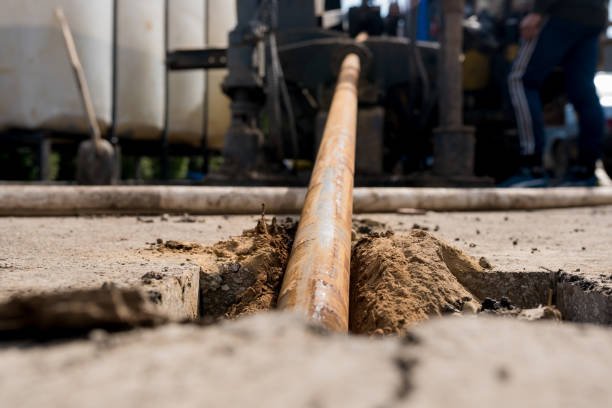
Fanti Sewer & Drains uses horizontal directional drilling rigs paired with real-time locating equipment to steer each bore precisely along its planned path and depth.
Our crews track the drill head’s position throughout the bore, adjusting steering as needed to maintain grade, avoid obstacles, and stay clear of other underground utilities.
We plan entry and exit pit locations, bore path, and pullback logistics before mobilizing equipment, so the installation runs as a single continuous, controlled operation.
Steerable Underground Path
The drill head can be guided around obstacles, beneath structures, and along curved paths that open-trenching or bursting can't accommodate.
Real-Time Position Tracking
Locating equipment tracks the drill head's depth and position throughout the bore, keeping the path on target and clear of other utilities.
Minimal Surface Disruption
Only entry and exit pits are excavated, leaving driveways, roads, landscaping, and hardscape along the route undisturbed.
Fused HDPE Pipe Installation
New pipe is fused into a continuous, joint-free length before pullback, reducing potential failure points along the new line.
Works Across Varied Ground Conditions
Boring equipment and drilling fluids are matched to the soil type — sand, clay, rock, or mixed conditions — encountered along the path.
Post-Installation Verification
Once the new line is pulled into place, we verify depth, alignment, and condition before connecting service and restoring the site.
Candidacy
Projects That Are a Fit for Directional Boring
Directional boring is considered for new utility installations and line extensions where the surface above the planned path needs to stay intact, or where a curved or obstacle-avoiding path is required.
New Water or Sewer Service Lines
Installing a new service line from the main to a building without trenching across a driveway, yard, or finished surface.
Utility Crossings
Routing a new line beneath a road, driveway, waterway, or other surface that can't be open-cut without major disruption or permitting delays.
Lines Beneath Mature Landscaping
Installing new pipe beneath established trees, gardens, or hardscape features without disturbing root systems or finished surfaces.
Congested Utility Corridors
Navigating a new line around existing utilities, foundations, or underground structures using a steerable, real-time-tracked path.
Long, Curved Runs
Directional boring can follow a curved path over long distances, which straight-line trenchless methods like bursting typically can't accommodate.
New Construction Utility Rough-In
Installing water, sewer, or other utility lines for new construction projects where the site plan calls for minimal surface disturbance.
Service Extensions to Detached Structures
Running new utility lines to ADUs, detached garages, or outbuildings without trenching across the main property.
Sites With Restrictive Permitting or Access
Properties where open-cut excavation isn't practical due to permitting restrictions, limited access, or surface restoration costs.
Directional boring isn’t the right fit for every project. Extremely shallow required depths, very rocky or unstable ground, or sites with heavy utility congestion that can’t be safely navigated may call for open excavation or a different method.
Our Process
How Fanti Sewer & Drains Performs Directional Boring
We treat locating, planning, boring, pullback, and verification as one connected installation, not separate stages.
01
Site Assessment and Utility Locating
We assess the site and locate existing utilities along the planned path to confirm a bore route is achievable and safe.
02
Bore Path Planning
We plan the entry point, exit point, depth, and steering path based on the site layout, obstacles to avoid, and the new pipe's destination.
03
Entry and Exit Pit Excavation
We excavate the pits needed to launch and receive the drill — typically the only excavation required for the entire installation.
04
Pilot Bore
The drill rig launches a pilot bore along the planned path, with the operator steering the drill head in real time using locating equipment.
05
Path Verification
We confirm the pilot bore has reached the exit point on the intended path and depth before proceeding to reaming.
06
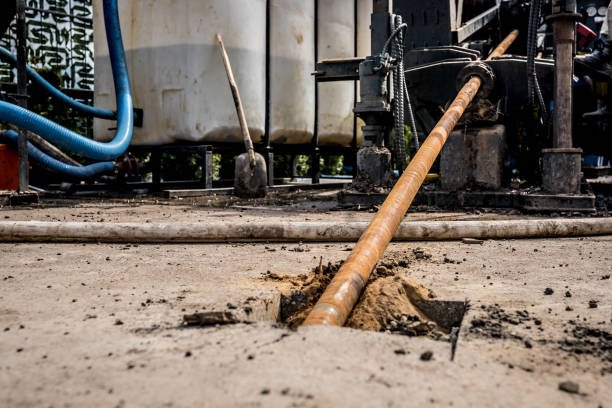
Reaming
The drill head is swapped for a reamer, which widens the bore to the diameter needed to accommodate the new pipe.
07
Pipe Fusion
Sections of HDPE pipe are fused into a single continuous length matched to the bore, ready for pullback with no joints along the run.
08
Pullback
The fused pipe is connected to the reamer and pulled back through the widened bore from exit point to entry point, following the established path.
09
Connections and Testing
The new line is connected to the building's plumbing or the main utility line as required, then tested to confirm proper function.
10
Backfill and Surface Restoration
Entry and exit pits are backfilled and compacted, and any disturbed surface is restored, leaving the rest of the bore path untouched.
FAQ’s
Your Questions About Directional Boring
How is directional boring different from pipe bursting?
Pipe bursting replaces an existing pipe along its current path. Directional boring installs a brand-new line along a new, steerable path — it’s typically used for new installations rather than replacing a damaged line in place.
Will directional boring disturb my driveway or landscaping?
In most cases, no. Only the entry and exit pits are excavated, so the surface along the rest of the bore path stays intact.
Can the bore path curve around obstacles?
Yes. Because the drill head is steerable and tracked in real time, the path can curve around foundations, existing utilities, trees, and other obstacles.
How deep can a directional bore go?
Bore depth is planned around the utility being installed, ground conditions, and any crossings involved, and is confirmed during site assessment.
Is directional boring safe near other underground utilities?
We locate existing utilities before drilling and track the bore’s position in real time to maintain safe clearance throughout the installation.
What pipe material is used for the new line?
We typically use fused HDPE pipe, installed as a single continuous, joint-free length pulled back through the bore.
How long does a directional boring project take?
It depends on bore length, depth, ground conditions, and the number of crossings involved. We provide a project timeline after site assessment and utility locating.
Can directional boring be used for new construction?
Yes. It’s commonly used to install water, sewer, or other utility lines for new construction sites where minimal surface disturbance is a priority.
Pipe Evaluation
Find Out if Directional Boring Is Right for Your Project
Before committing to open-trench installation, let Fanti Sewer & Drains assess your site, walk you through utility locates, and tell you plainly whether directional boring is the right fit for your new line.